U.A. Local 393 Plumbers, Steamfitters and HVAC/R Service Technicians, Plumbing, Mechanical, Industrial and Service & Maintenance Contractors
Quality-Assured Contractors
South Bay Piping Industry contractors and their UA Local 393 members have literally been a part of every major construction project in Silicon Valley. U.A. Local 393 Plumbers and Pipefitters was established over 100 years ago here in Silicon Valley and many of our contractors are being led by 4th and 5th generation family members.
We Built This Valley!
Highlighted Projects
Check out some high-profile projects completed by South Bay Piping Industry contractors and Local 393 members.
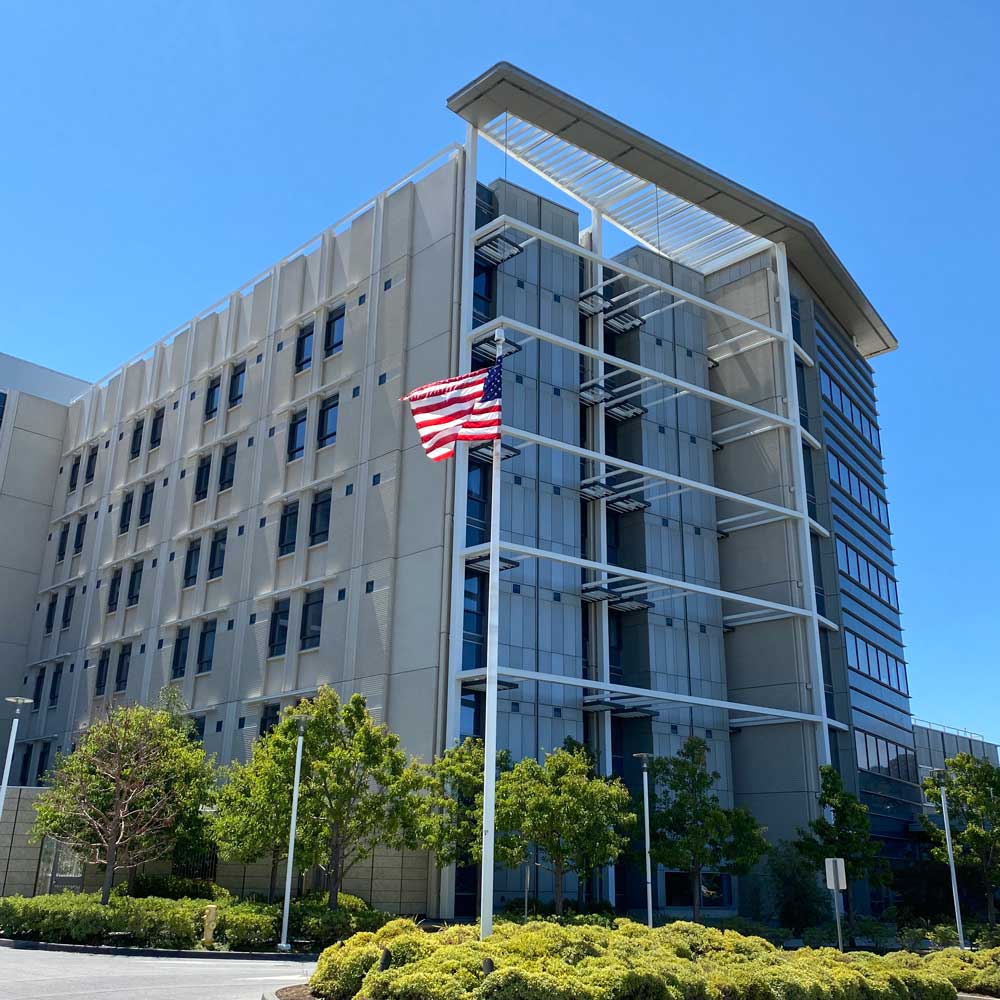
Mills Peninsula Hospital
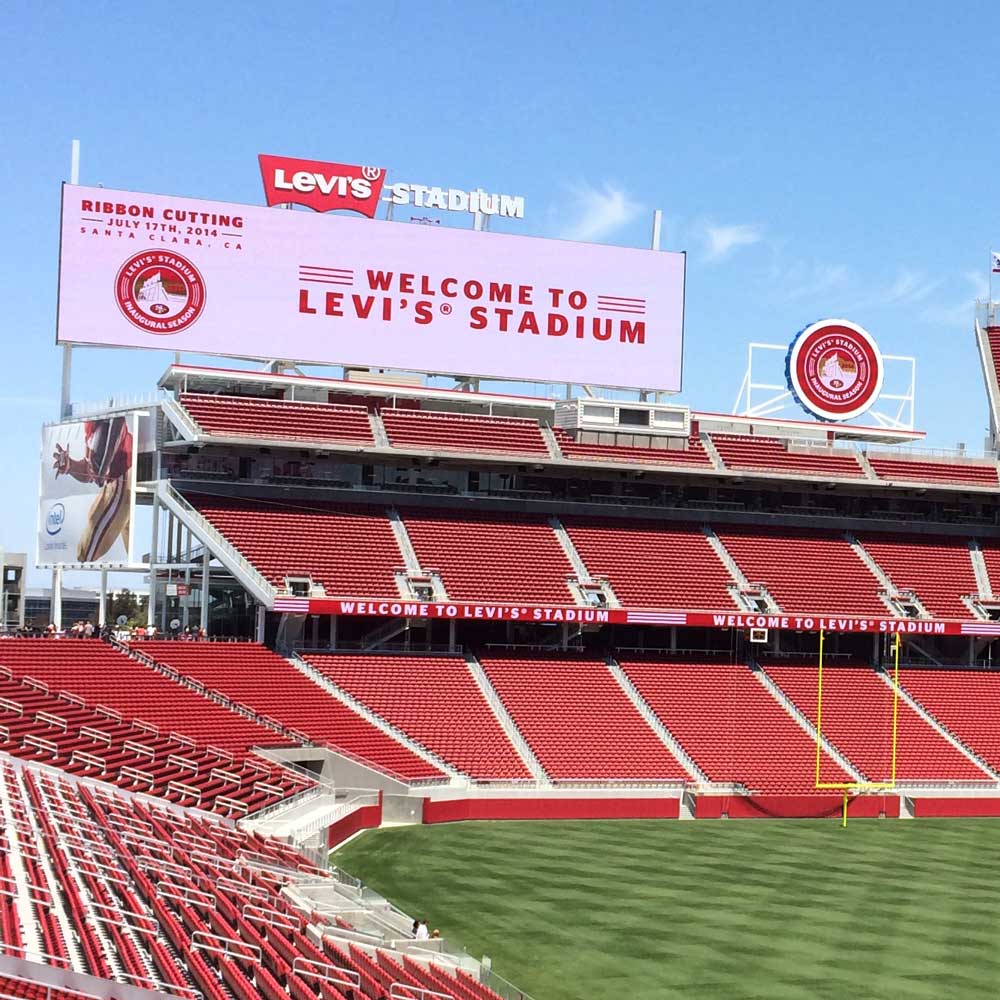
Levi’s Stadium
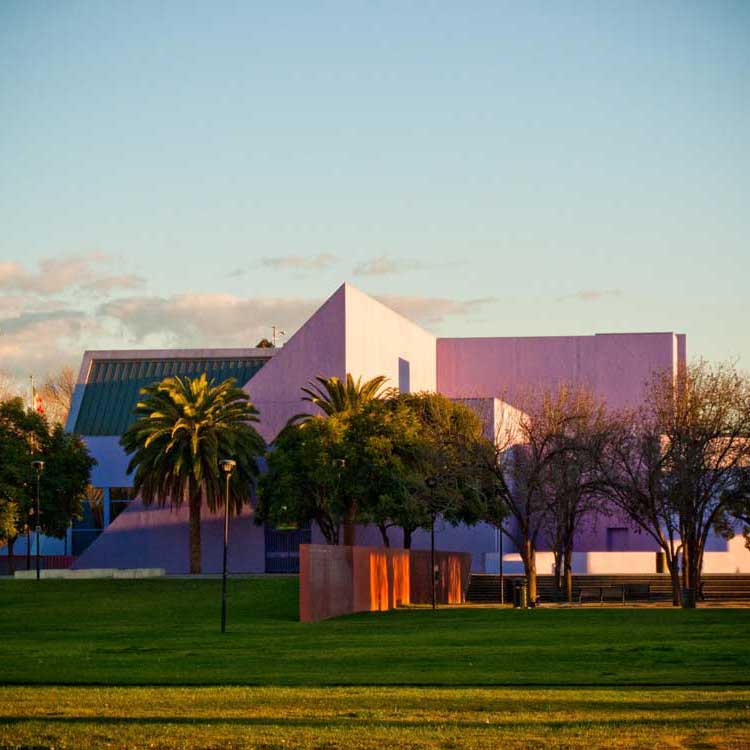
Children’s Discovery Museum
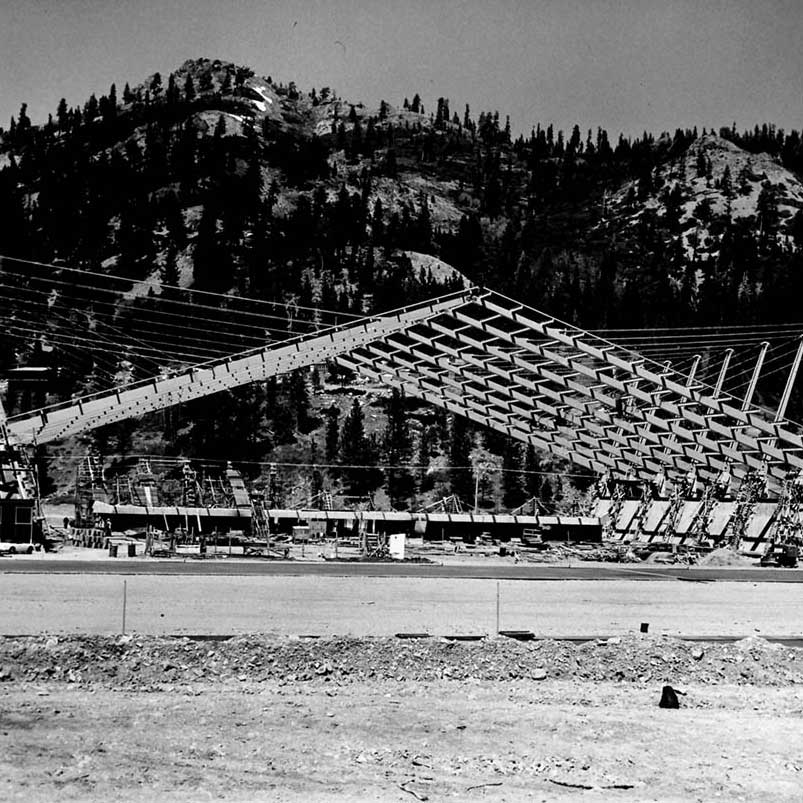
Squaw Valley

Apple Park Campus
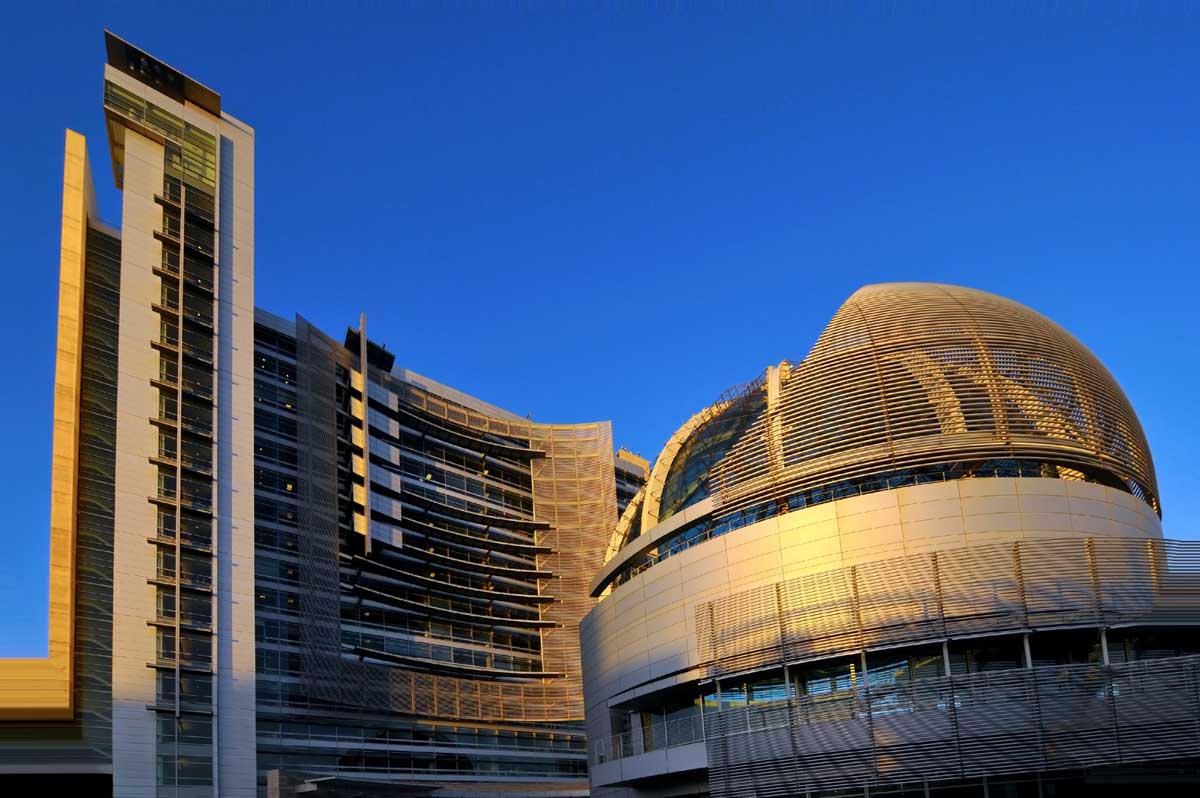
San Jose City Hall
We Built This Valley
Over 100 years of building experience
Latest News
New Covid protocols for the construction industry, Local 393 members and employers can be found on the Santa Clara County Public Health
Mental Health Awareness – Contractors Luncheon
Signatory Contractors and their key employees are strongly encouraged to participate. The event is free, registration is required. This important session is being provided by the Pipe Trades Training Center and the South Bay Piping
BluePrint Newsletter Spring 2024
Spring has sprung! With it comes News! Please click on the link to read all about it! We hope you enjoy! SBPI_Blueprint_Spring_2024
2024 Earthquakes Soccer Tickets!
South Bay Piping Industry is proud to announce we are again a sponsor of the San Jose Earthquakes! Get your complimentary tickets - first come, first serve. Seats are limited, fans that have not